


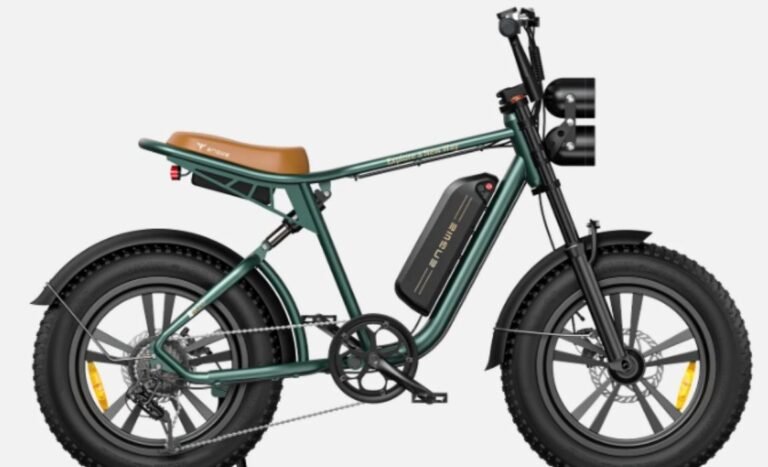
Choosing between an electric bike and a traditional bicycle can be difficult, especially with the growing popularity of modern cycling technology. Both options offer an enjoyable way to travel, exercise, and explore your surroundings, but they provide very different riding experiences.
A traditional bicycle relies entirely on the rider’s physical effort, while a vélo électrique combines pedaling with motor assistance. For some riders, the simplicity of a conventional bike is ideal. For others, the extra assistance provided by an electric model can make everyday transportation significantly easier.
Understanding the main differences can help you decide which option best fits your lifestyle, fitness level, and commuting needs.
What Is a Vélo Électrique?
A vélo électrique is a bicycle equipped with an electric motor and rechargeable battery. The motor provides assistance while the rider pedals, reducing the amount of effort required to maintain speed or climb hills.
Electric bikes come in different designs and performance levels. Some are designed primarily for city commuting, while others are built for longer journeys, recreational riding, or more demanding terrain.
The amount of assistance available depends on the specific model, motor, battery, riding mode, and other technical features.
Traditional Bikes: Simple and Reliable
Traditional bicycles have been used for transportation and recreation for generations. Their biggest advantage is simplicity. They do not require a battery, motor, charger, or electronic controls.
Because they have fewer electrical components, conventional bikes can also be relatively easy to maintain. Regular maintenance generally involves checking the tires, brakes, chain, gears, and other mechanical components.
For riders who enjoy physical exercise and prefer a lightweight cycling experience, a traditional bicycle can be an excellent choice.
Electric Bikes Require Less Physical Effort
One of the biggest advantages of an electric bike is motor assistance. This can make cycling accessible to people who may find traditional bicycles too physically demanding.
For example, commuters can use assistance when climbing hills or traveling longer distances. Riders can still pedal and exercise, but they do not have to rely entirely on their physical strength.
A velo electrique puissant can be particularly useful for riders who regularly encounter steep roads or want additional assistance during longer urban journeys.
Comparing Commuting Convenience
For daily commuting, an electric bike can provide several practical advantages. Motor assistance can help riders maintain a steady pace while reducing fatigue.
This can be especially useful for people who want to cycle to work without arriving overly tired. The rider can adjust the assistance level depending on the route, weather, and personal energy level.
Traditional bikes, however, can be excellent for shorter commutes where physical effort is not a concern. They are lightweight, simple to operate, and do not require charging.
Your typical commute should therefore play an important role in your decision.
Speed and Riding Experience
Both electric and traditional bicycles can provide an enjoyable riding experience, but they feel different on the road.
Traditional bikes provide a direct connection between your pedaling effort and movement. Riders who enjoy physical challenges may prefer this feeling.
Electric bikes provide additional assistance, allowing riders to maintain a comfortable pace with less effort. A velo electrique puissant may make it easier to deal with hills, headwinds, and longer routes.
However, the best choice depends on whether you prioritize physical exercise or additional convenience.
Battery and Charging Considerations
One major difference is that an electric bike requires a rechargeable battery. The battery must be charged regularly, depending on how frequently and how far you ride.
Battery range depends on factors such as capacity, rider weight, terrain, speed, weather, tire pressure, and assistance level.
Traditional bikes do not have this requirement. You can simply get on the bike and ride without checking a battery level.
For some people, avoiding charging is an important advantage of traditional bicycles. Others consider the convenience of motor assistance well worth the additional responsibility.
Cost of Ownership
The initial purchase price of an electric bike is generally higher than that of a basic traditional bicycle because it includes a motor, battery, controller, and other electrical components.
However, an electric bike can still be an economical transportation option when compared with driving a car or regularly using other paid transportation.
Traditional bikes generally have lower purchase and maintenance costs, particularly basic models. They also do not require battery replacement or electrical servicing.
When comparing costs, consider both the initial purchase price and how you intend to use the bike over several years.
Exercise and Fitness
Traditional bicycles can provide a more demanding workout because all movement comes directly from the rider. They can be an excellent option for people who want cycling to be a major part of their fitness routine.
Electric bikes can still provide exercise because riders normally continue to pedal. The main difference is that motor assistance allows them to control how much effort they use.
This can make an electric bike useful for people who want flexible exercise. They can reduce assistance when they want a harder workout and increase it when they need to conserve energy.
Which Is Better for Hills?
If your regular routes include steep hills, an electric bike may have a significant advantage.
A velo electrique puissant can provide additional assistance during climbs, making challenging roads more manageable. This can encourage people to cycle routes they might otherwise avoid.
Traditional bicycles can certainly handle hills, but they require greater physical effort. Experienced cyclists may enjoy that challenge, while commuters may prefer the convenience of electric assistance.
Environmental Considerations
Both types of bicycles can be more environmentally friendly transportation choices than many motor vehicles. Neither requires fuel during normal use, although electric bikes need electricity to recharge their batteries.
Choosing a bicycle instead of a car for suitable short and medium-distance journeys can help reduce dependence on fuel-powered transportation.
Electric bikes can be particularly useful for replacing car trips that would otherwise feel too long or physically demanding on a traditional bicycle.
Which One Should You Choose?
The right choice depends on your personal priorities.
A traditional bicycle may be better if you:
- Prefer a lightweight and simple design
- Want maximum physical exercise
- Do not want to recharge a battery
- Prefer lower initial costs
- Mainly ride short distances
An electric bike may be better if you:
- Commute longer distances
- Regularly ride on hills
- Want to reduce physical effort
- Need additional assistance during daily travel
- Want a flexible combination of transportation and exercise
If you want additional performance for demanding routes, a velo electrique puissant can provide the assistance you need while still allowing you to enjoy active cycling.
Final Thoughts
There is no universal winner in the comparison between a traditional bicycle and a vélo électrique. Each option has its own strengths.
Traditional bikes are simple, lightweight, economical, and excellent for physical exercise. Electric bikes provide additional assistance that can make commuting, hill climbing, and longer journeys easier.
Before making a decision, consider your daily distance, terrain, fitness goals, budget, and preferred riding experience. If convenience and motor assistance are important to you, an electric model may be the better choice. If simplicity and exercise are your priorities, a traditional bike could be ideal.
Ultimately, the best bike is the one that fits your lifestyle and encourages you to ride more often.
